

In the constantly changing realm of construction, concrete delivery systems have seen significant advancements, with concrete pumping emerging as a leading method. The days are over when heavy trucks were the sole means of delivering concrete to job sites. Currently, concrete pumping offers a far efficient, flexible, and precise solution, especially for projects with challenging access or tight deadlines. Whether you are a seasoned contractor or a new homeowner starting your initial construction project, understanding the ins and outs of concrete pumping can greatly improve your work process and project outcomes.
The following article explores the numerous benefits of concrete pumping compared to traditional pouring methods, along with practical insights for those unfamiliar with the process. We will delve into how concrete pumping works, the various types available, and the critical factors to consider when selecting a pump for your project. Additionally, we will examine the advantages of hiring professional services, the impact of weather conditions, and safety tips to ensure a successful operation. Through this innovative approach, construction professionals are not only enhancing their efficiency but also paving the way for a smarter future in the industry.
Benefits of Cement Pumping
Concrete pumping offers many pros that boost the productivity of construction projects. Concrete Foundations Grosmont North Yorkshire of the key benefits is the capability to reach difficult or elevated areas where conventional pouring techniques may be inefficient. With concrete pumps, builders can effectively deliver concrete to tall structures, deep foundations, or tight spaces, ensuring that the project progresses smoothly without the necessity for extensive scaffolding or manual labor.
Additionally, concrete pumping significantly cuts down on the duration required for concrete pouring. Traditional methods often involve hard work processes that can hinder project deadlines. Conversely, with a concrete pump, the material is transported directly to the target location at a rapid pace, which speeds up the overall construction schedule. Concrete Foundations Great Ayton North Yorkshire helps to keep projects on schedule but can also lead to reduced employee expenses, as fewer workers are needed to oversee the process.
In conclusion, employing concrete pumping helps limit waste and improve the standard of the final product. The precision in delivery lessens the risk of spills and unnecessary material, contributing to a tidier job site and lower environmental impact. Moreover, the careful application allows for enhanced consolidation of the concrete, which can enhance durability and longevity in the completed structure.
Concrete Pumping Methods
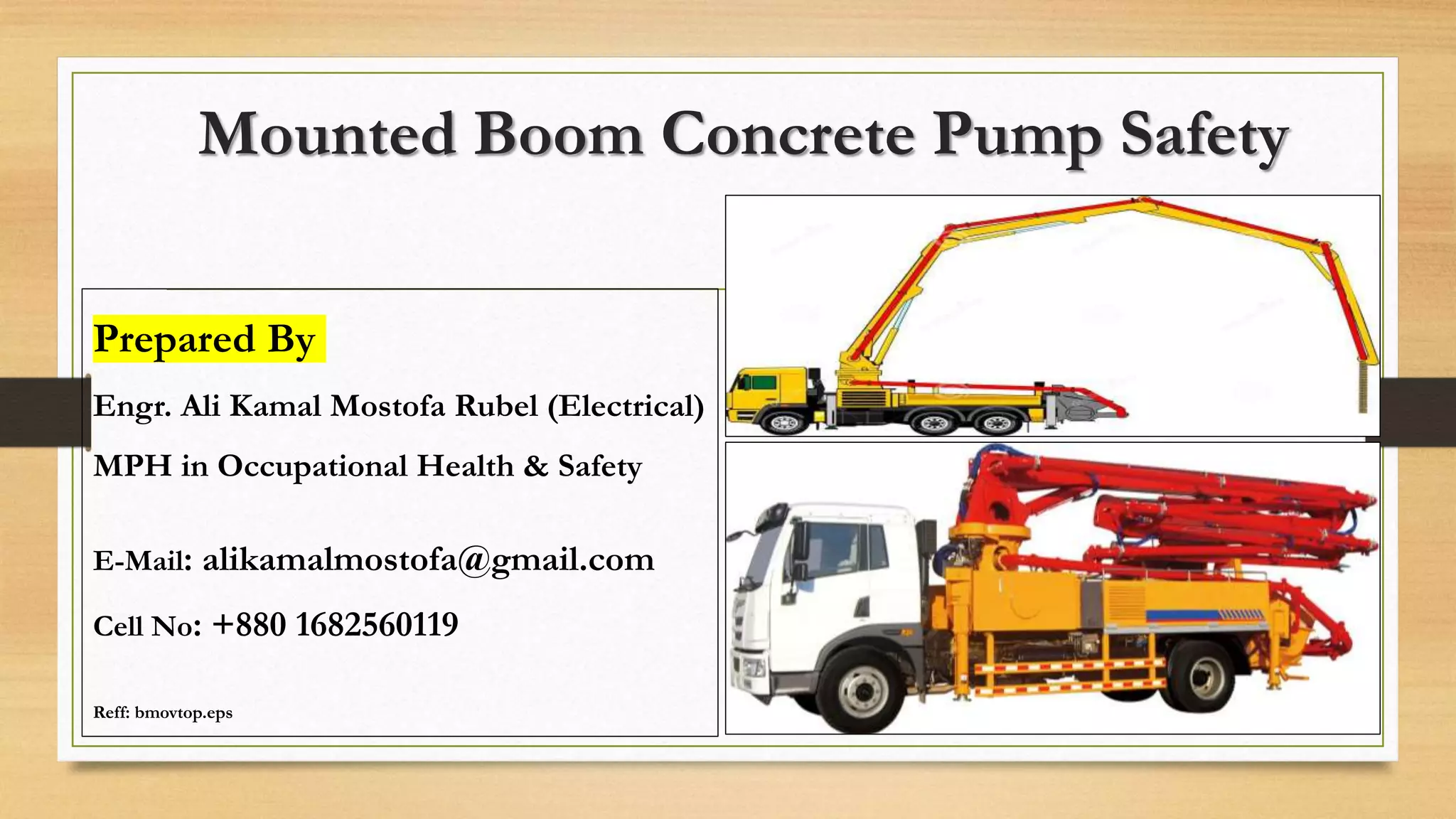
Cement pumping methods are integral to contemporary construction, allowing for effective and precise delivery of cement in various settings. The two main methods of concrete pumping are pipeline pumping and tower pumping. Line pumps use a set of tubes and hoses to transport concrete straight from the batch plant to the target site, rendering them perfect for smaller projects or constricted spaces. Boom pumps, fitted with a movable boom, can access heights and distances that are otherwise challenging, making them suitable for large-scale constructions and tall edifices.
Choosing the appropriate method depends on the particular needs of the building job. For example, when operating in city areas with limited access, pipeline pumps are often favored due to their small form and versatility. On the other hand, tower systems are advantageous for jobs requiring the cement to be delivered over barriers or to elevated areas. Understanding the features of each technique enables project leaders to optimize the cement delivery process, ensuring faster project completion while upholding standards.
Additionally, advancements in tech have improved cement pouring techniques. Modern systems are fitted with automatic systems that increase accuracy and management during the pouring procedure. Such innovations help minimize the risk of cement spillage and ensure stable delivery speed, which leading to improved efficiency on the job site. As the sector continues to develop, remaining updated about these methods helps construction professionals select the most effective solutions for their jobs.
Cement Concrete Pumping in Building Operations
Concrete pumping has revolutionized the way building operations are carried out, enhancing productivity and performance across various operations. By using cement pumps, construction teams can place cement accurately where it is needed, even in hard-to-reach sites. This methodology not only accelerates the pouring process but also minimizes workforce costs compared to traditional methods of concrete delivery. As a result, many builders are now choosing concrete pumping to meet tight deadlines and improve project timelines.
Another notable advantage of concrete pumping is its capability to accommodate intricate building layouts. Whether it’s high-rise structures, detailed foundations, or expansive commercial buildings, cement pumps can maneuver through difficult plans and terrain. The flexibility of using a pipeline pump or slewing pump allows for tailored solutions based on particular project needs, ensuring that builders can efficiently tackle distinct obstacles as they arise. This flexibility makes concrete pumping a preferred option for both home and business operations.
Furthermore, the use of cement pouring plays a crucial role in enhancing sustainability within the building industry. By reducing waste and ensuring accurate placement of concrete, project managers can significantly decrease environmental impact. Furthermore, as contemporary technologies continue to evolve, the prospects of concrete pouring is poised to incorporate innovative solutions that further increase efficiency and sustainable practices. As knowledge of these benefits grows, it is expected that cement pumping will become even more essential to building projects moving forward.