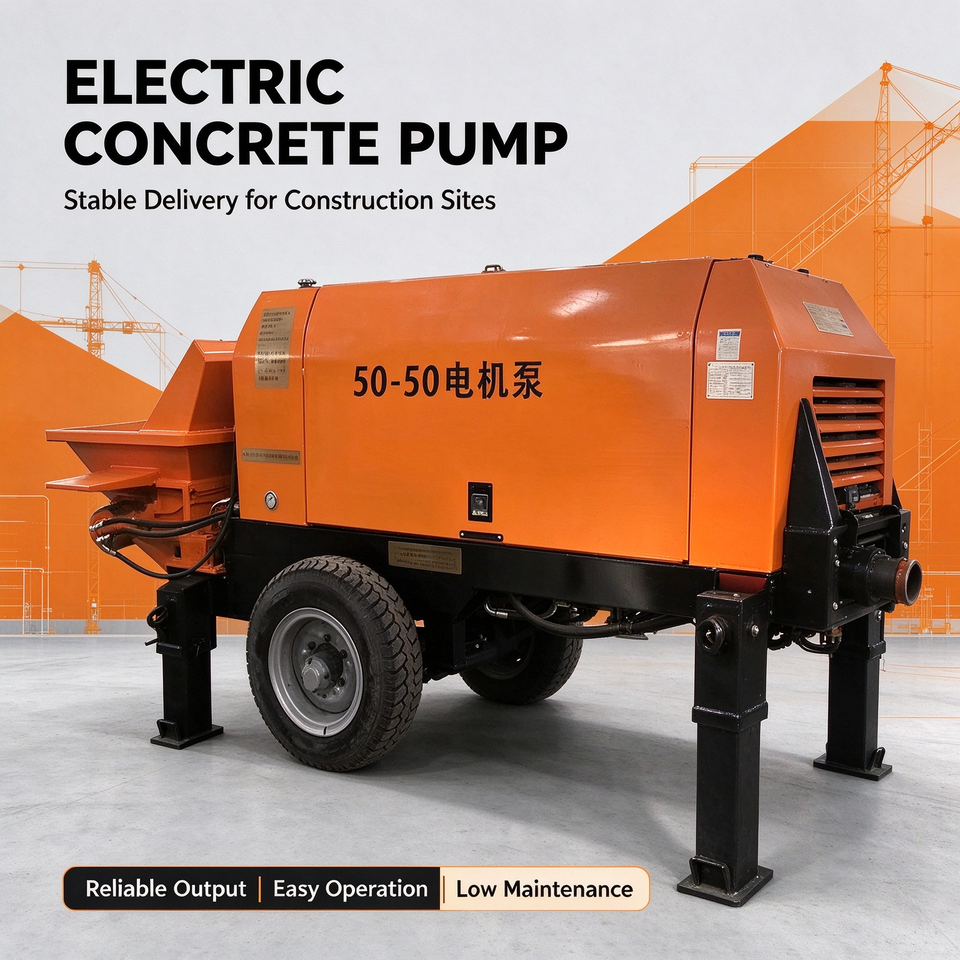
Concrete pumping services has revolutionized the construction landscape, making it significantly better than ever before. As the need for faster project completion and enhanced standards increases, concrete pumping has emerged as a vital technique in both the home and business construction fields. View website advanced method allows for precise placement of concrete in different locations, overcoming obstacles that conventional pouring methods commonly encounter. Whether you are a veteran construction professional or a novice looking to understand the basics, comprehending concrete pumping can provide significant advantages for your projects.
In this article, we will explore the essentials of concrete pumping, including its advantages, how it works, and the different types of pumps on the market. From recognizing the signs that indicate your project needs a concrete pump to exploring the differences between concrete pumping and traditional pouring, this guide will arm you with essential knowledge. Moreover, we will address the importance of contracting a reputable concrete pumping company and how to prepare your site for this productive construction method. Accompany us as we explore the game-changing world of concrete pumping and uncover it can enhance your construction projects.
Benefits of Concrete Pumping
Cement pumping offers numerous benefits that greatly improve building projects. One of the key benefits is enhanced efficiency. By utilizing Concrete Foundations North Yorkshire , jobs that would usually require significant manpower and time can be executed more swiftly. This improvement leads to lowered labor costs and minimizes project delays, allowing for a streamlined workflow on job sites.
An additional noteworthy advantage is the ability to reach difficult locations. Concrete pumps can deliver concrete to hard-to-access areas such as high sites or narrow spaces. This capability makes them an excellent choice for various projects, including foundations and multi-story buildings. Using a cement pump ensures that the concrete is poured accurately and without the need for heavy equipment, which can simplify the entire operation.
Cement pumping also supports better quality control. The accuracy with which concrete can be delivered reduces the risk of variations and ensures a homogeneous mixture throughout the area. This not only improves the longevity of the cement structure but also minimizes waste. As a result, building projects employing concrete pumping are frequently more eco-friendly, making it a practical choice for builders aiming to embrace sustainable practices in their work.
How Cement Pumping Works
Concrete pumping is a method that involves using special equipment to move liquid concrete from its source straight to the specified location on a construction site. At the heart of this approach are two main types of pumps: line pumps and boom pumping systems. Line pumps use a network of pipes or pipes to deliver concrete, making them suitable for little to mid-sized projects, while boom pumping systems are equipped with an extendable arm that can extend great heights and far, making them perfect for larger building sites. The selection of pump largely depends on the scale and complexity of the task.
During the concrete pumping, the concrete is blended and transferred into the pump's hopper, where it is suctioned into the pump mechanism. The pump uses cylinders or rotary screws to propel the concrete through the tubes or lines. Because concrete is a dense material, concrete pumps utilize hydraulic systems to enhance effectiveness and reduce manual work. This mechanized method enables a continuous flow of concrete, guaranteeing that it is supplied swiftly and accurately to areas that might be hard to access, such as tall buildings or tight spaces.
Additionally, the effectiveness of concrete pumping can be affected by different factors, such as the thickness of the concrete mix, the length the concrete must be pumped, and the design of the site. Operators must carefully monitor these factors to maintain a steady flow and prevent issues such as clogs or uneven distribution. Comprehending how Concrete Foundations North Yorkshire pumping functions is essential for ensuring the success of construction projects, as it significantly improves speed and productivity while reducing excess.
Choosing the Appropriate Cement Pump
Choosing the right concrete pumping machine for your project is essential for ensuring efficiency and efficiency in your building project. First, consider the kind of project you are undertaking—residential, commercial, or large-scale construction projects. Each kind may benefit from a specific type of pump, such as a pipeline pump for smaller spaces or a boom pumping machine for big areas needing extensive reach. Additionally, evaluate the volume of concrete you need to move, as this will determine the pump's capacity you require.
It’s also essential to assess the specific location factors of your building area. Considerations such as the distance from the pump to the pour site, the height to which the cement needs to be delivered, and any obstacles in the way can affect your decision. For example, if your project involves pouring cement at great heights or across challenging terrains, a boom pumping machine might be the ideal choice. On the other hand, if the area is small and the pour is at floor level, a pipeline pump could be better suitable.
In conclusion, do not overlook the value of employing professional technicians who have experience with the kind of pumping machine you choose. They can ensure that the equipment is established properly and operates efficiently, reducing the probability of issues during the delivery. Collaborating with a reputable concrete pumping machine service with well-maintained equipment and expert operators can greatly influence the success of your construction task, ensuring that the appropriate pumping machine is used effectively for your needs.